Everything You Need to Ship an AI Product
Building an AI SaaS is different from a regular SaaS. You need infrastructure for model API calls, document processing, vector storage, streaming responses, and usage-based billing. Our kit handles all of it.
LLM Integration Layer
The kit wraps OpenAI and Anthropic (Claude) APIs with a unified interface. Swap models by changing a config value. Streaming responses work out of the box -- the chat UI renders tokens as they arrive. Error handling covers rate limits, timeout retries, and API key rotation. A model router can send different query types to different models based on complexity.
RAG Pipeline
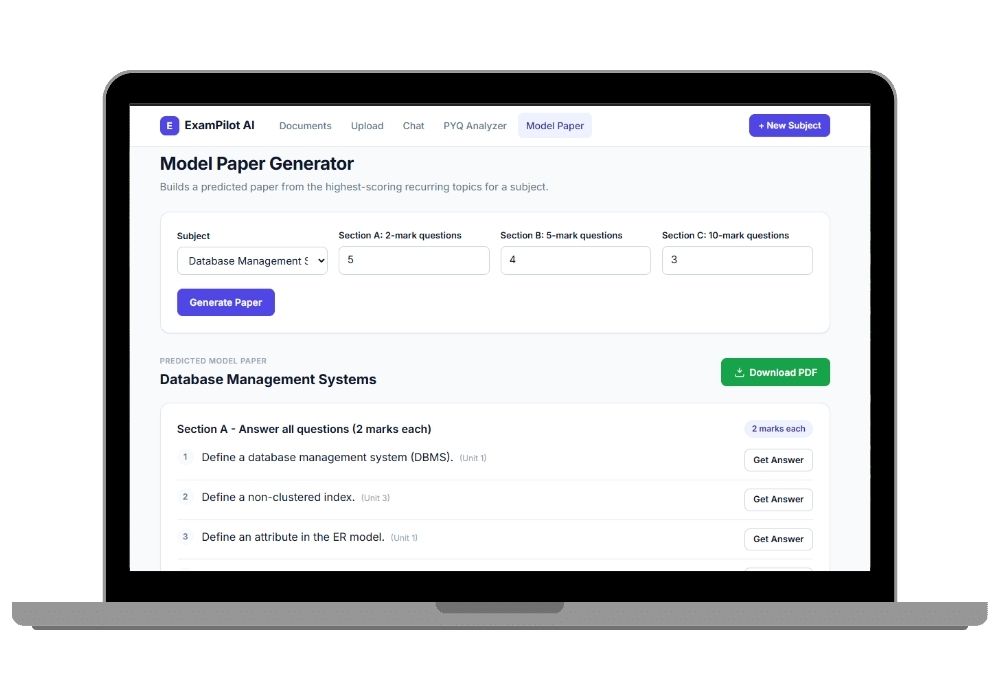
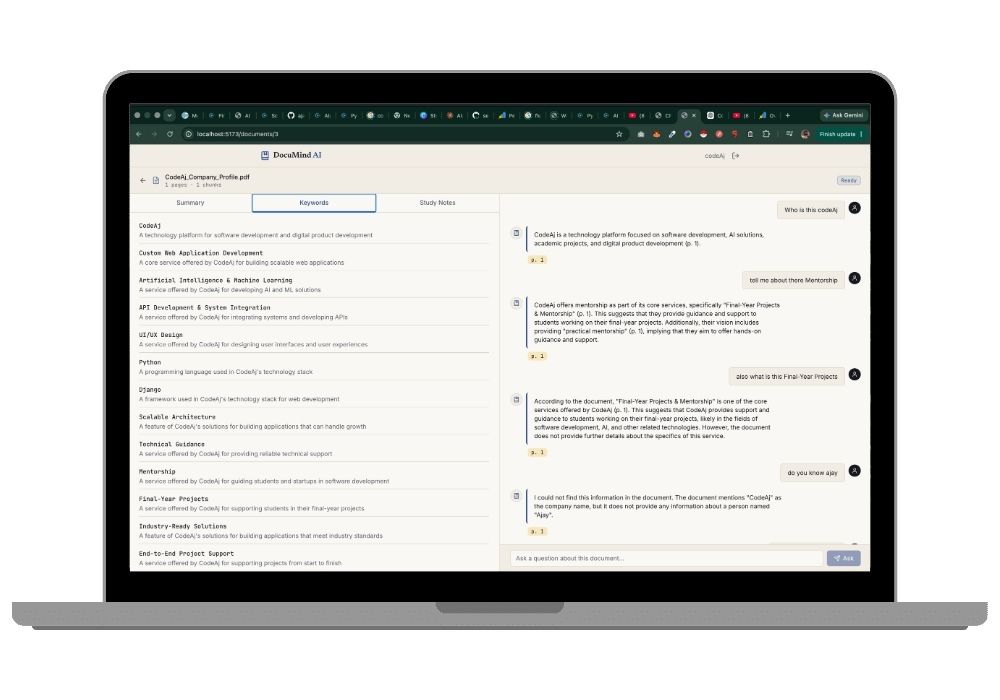
Upload PDFs, DOCX, or text files. The pipeline chunks documents using recursive text splitting, generates embeddings with OpenAI's embedding model, and stores vectors in Pinecone or Weaviate. At query time, it retrieves the top-k relevant chunks, injects them into the prompt context, and generates grounded answers. Retrieval accuracy metrics are logged for tuning.
Chat Interface
The chat UI supports markdown rendering, syntax-highlighted code blocks, copy-to-clipboard, conversation history, and message regeneration. The interface handles streaming gracefully -- no janky text appearing character by character. Conversations persist in the database so users can resume where they left off.
Usage-Based Billing
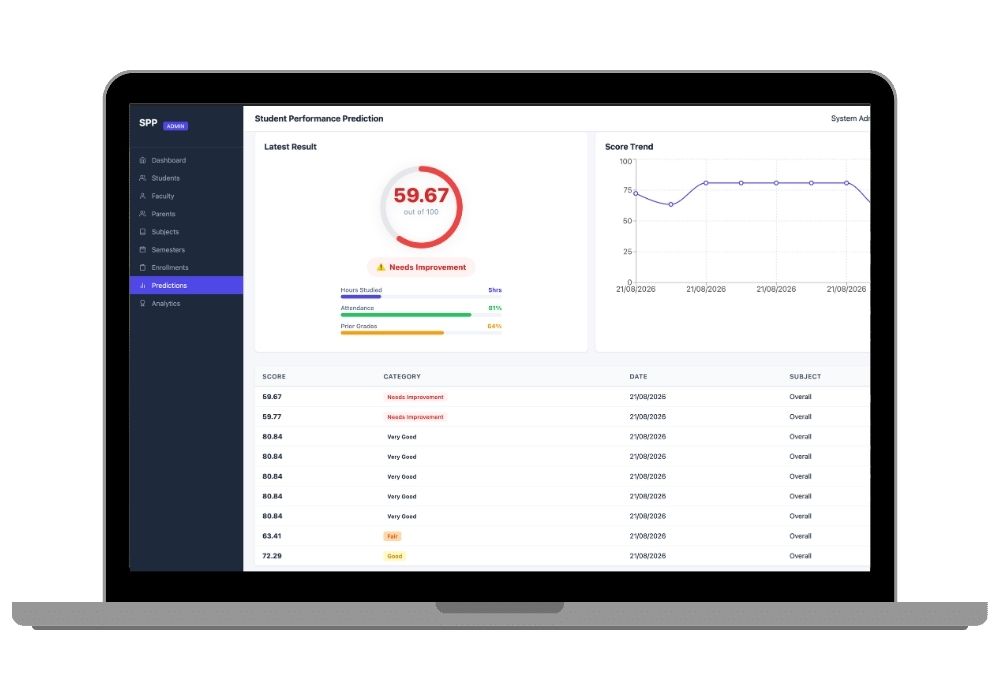
Token usage is tracked per user and per conversation. The billing module connects to Stripe's usage-based billing API. You set price per 1K tokens, define free tier limits, and the system handles metering, invoicing, and overage notifications. An admin dashboard shows token consumption by user, model, and time period.