20 mini project topics for CSE students
Curated mini project ideas for computer science students with technology stack suggestions, scope descriptions, and difficulty levels. Each topic can be completed in 4-8 weeks. Source code available for all topics.
How to choose a mini project topic
Choosing the right mini project topic is the difference between a smooth submission and weeks of frustration. Here is what to consider:
- Match your skill level — pick a project you can actually complete. It is better to submit a well-executed simple project than a half-finished complex one.
- Use technology you know — a mini project is not the time to learn a new programming language from scratch. Stick to what you have learned in class or practiced on your own.
- Solve a real problem — evaluators appreciate projects that address actual needs. A student attendance system is more impressive than a random calculator app.
- Check college requirements — some colleges specify minimum features, technology restrictions, or scope requirements. Verify before committing to a topic.
- Avoid overdone topics — "calculator" and "to-do list" are done by every student. Pick something slightly more unique to stand out.
Project topic ideas
Student attendance management system
A web app for recording and managing student attendance with QR code scanning, automatic report generation, and faculty dashboard. Includes student login, course management, and attendance analytics.
Online quiz application
A timed quiz platform with multiple categories, auto-grading, leaderboard, and result analytics. Includes admin panel for adding questions and managing quizzes.
Expense tracker with data visualization
A personal finance management tool with categorized expense logging, monthly budget tracking, and interactive charts showing spending patterns. Supports CSV export.
Library management system
A web application for managing book inventory, member registration, book issue and return tracking, fine calculation, and overdue notifications. Includes barcode scanning support.
Weather dashboard with API integration
A responsive weather application showing current conditions, 5-day forecast, and location-based weather data. Includes temperature unit conversion and weather alerts.
URL shortener service
A URL shortening service with custom aliases, click tracking, geographic analytics, and QR code generation for shortened links. Includes API for programmatic access.
Recipe sharing platform
A social platform for sharing recipes with ingredients, step-by-step instructions, ratings, and comments. Includes search by ingredients, cuisine type, and dietary restrictions.
Task management board (Kanban)
A Trello-style task management application with drag-and-drop cards, multiple boards, due dates, labels, and team collaboration. Uses Firebase for real-time updates.
E-commerce product catalog
A product catalog with category filtering, search, product detail pages, and a shopping cart. Includes admin panel for product management via headless CMS.
Chatbot with NLP
A rule-based chatbot with natural language processing for a specific domain (FAQ, customer support, college information). Includes training interface and conversation logging.
Resume builder application
A web app that generates professional PDF resumes from user input. Includes multiple templates, real-time preview, and ATS-friendly formatting. Supports image upload for profile picture.
Blog platform with markdown support
A full-featured blogging platform with markdown editor, image uploads, categories, tags, comments, and SEO-friendly URLs. Includes admin dashboard for content management.
File sharing application
A secure file sharing platform with link-based sharing, password protection, file expiration, and download tracking. Supports drag-and-drop upload and preview for common file types.
Portfolio website generator
A tool that generates responsive portfolio websites from user input (projects, skills, experience, education). Includes multiple themes and one-click deployment to Vercel.
Parking management system
A parking lot management system with vehicle entry/exit logging, slot availability tracking, and automatic number plate recognition. Includes payment calculation and receipt generation.
Sentiment analysis tool
A web tool that analyzes sentiment of text input, social media posts, or product reviews. Displays sentiment scores, word clouds, and emotion distribution charts.
Hospital appointment booking system
An online appointment booking system for hospitals with doctor profiles, available time slots, patient registration, appointment reminders, and prescription management.
Currency converter with historical rates
A currency conversion tool with real-time rates, historical rate charts, multi-currency comparison, and favorite currency pairs. Includes offline mode with cached rates.
Image gallery with face detection
A photo gallery application that automatically detects and tags faces in uploaded images. Includes album creation, search by person, and batch upload support.
Student grade management system
A web application for managing student grades across subjects, calculating GPA, generating report cards, and visualizing performance trends. Includes faculty and admin roles.
Ready-made mini projects
These projects match the topics above. Each includes complete source code, documentation, and setup support.
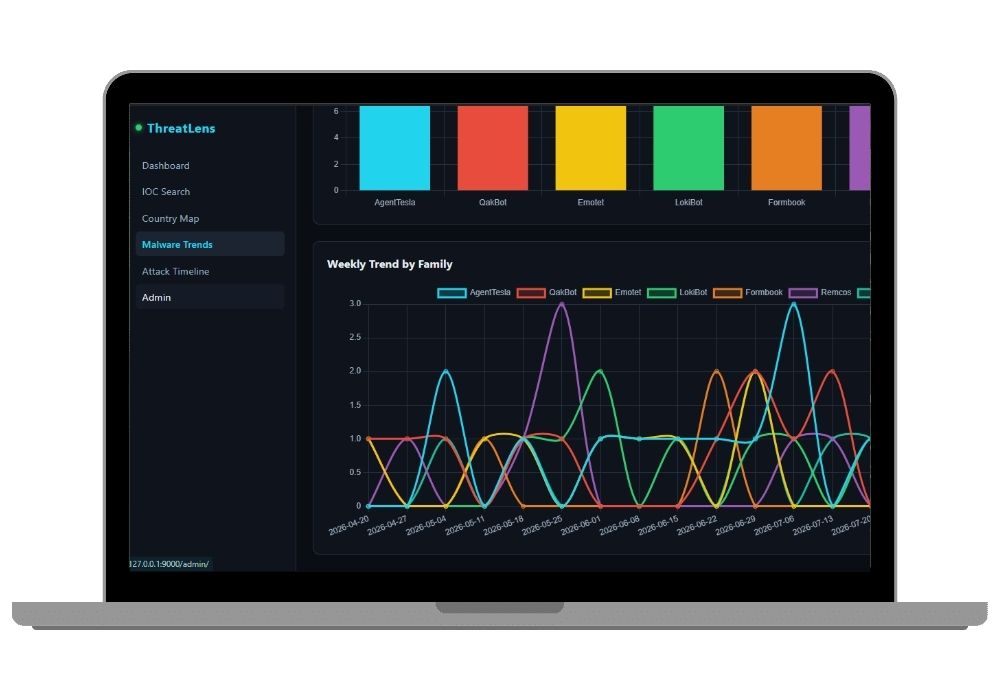
ThreatLens Live Cyber Threat Intelligence Dashboard
Rs.399.00
Rs.1999
Frequently asked questions
A mini project is a smaller-scope project with 3-5 modules that can be completed in 4-6 weeks. A major project has 7-10+ modules, uses advanced technologies, and takes an entire semester. Mini projects are typically assigned in 4th-6th semester, while major projects are for the final year.
At some universities (especially for BCA, diploma, and BSc IT programs), mini projects are accepted for final year. For BTech CSE and MCA, most universities require a major project. Check your specific university guidelines.
Choose a topic that matches your skill level, interests, and available time. Consider the technology stack you are comfortable with, the complexity your college expects, and whether the project solves a real problem. Avoid overly common topics that every student picks.
A typical mini project takes 4-8 weeks to complete, including development and documentation. If you are using a reference project from CodeAj, you can have it submission-ready in 1-2 weeks after customization and understanding the code.
Yes, most colleges require a project report (20-30 pages) and a PPT presentation even for mini projects. The report format is similar to major projects but shorter. Our mini projects include documentation templates.
Python (Django/Flask) is the most popular choice for mini projects because of its simplicity and rapid development. Java (Spring Boot) and JavaScript (React/Node.js) are also excellent choices. Pick the language you are most comfortable with.