Machine Learning Projects with Source Code

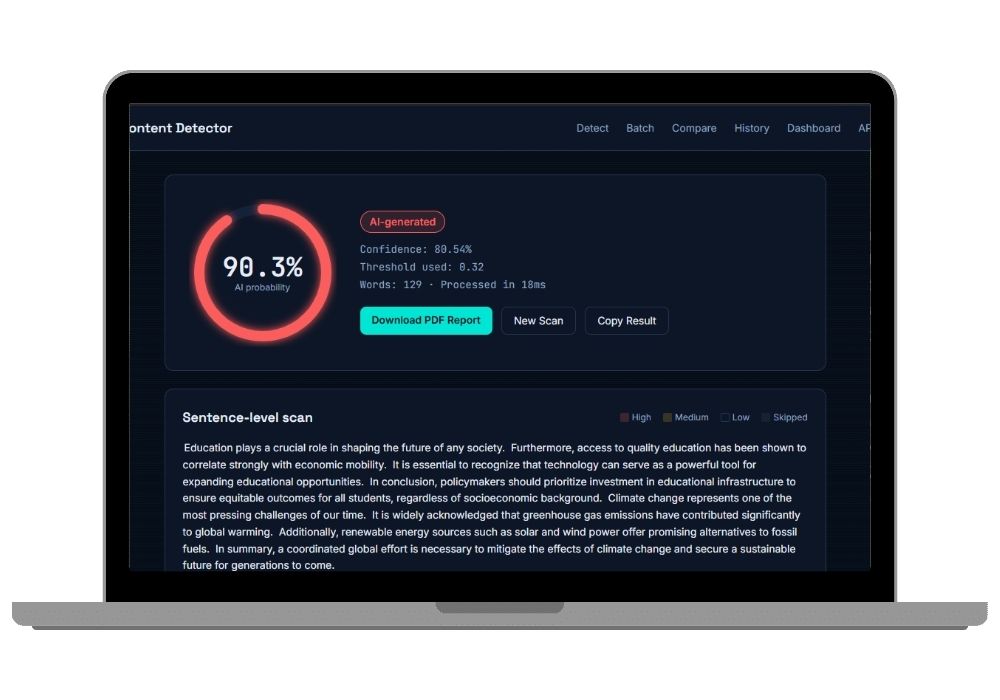
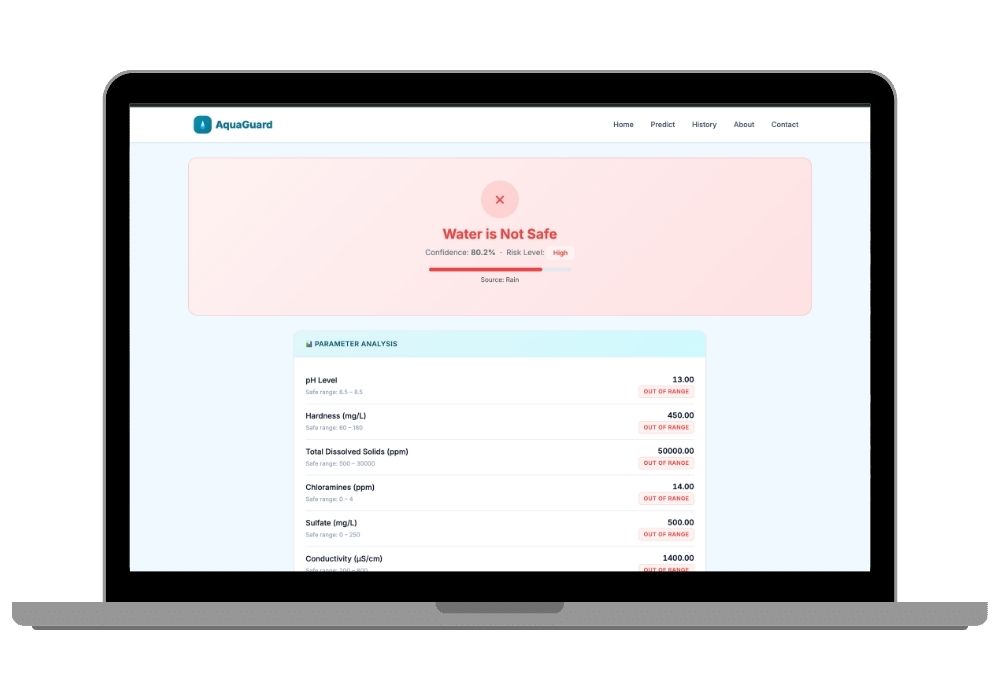
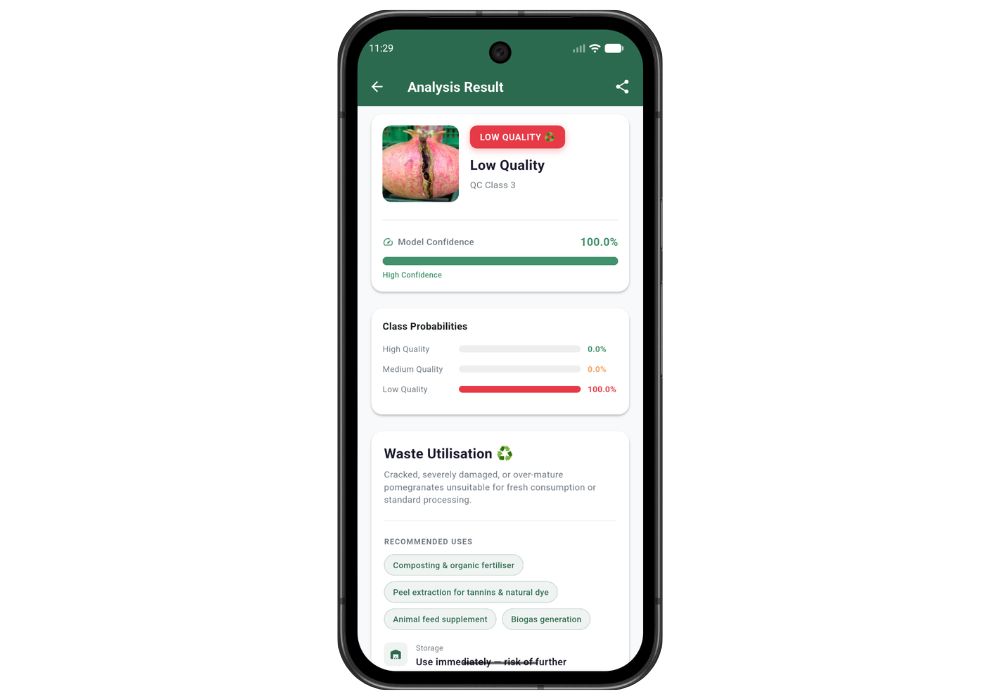
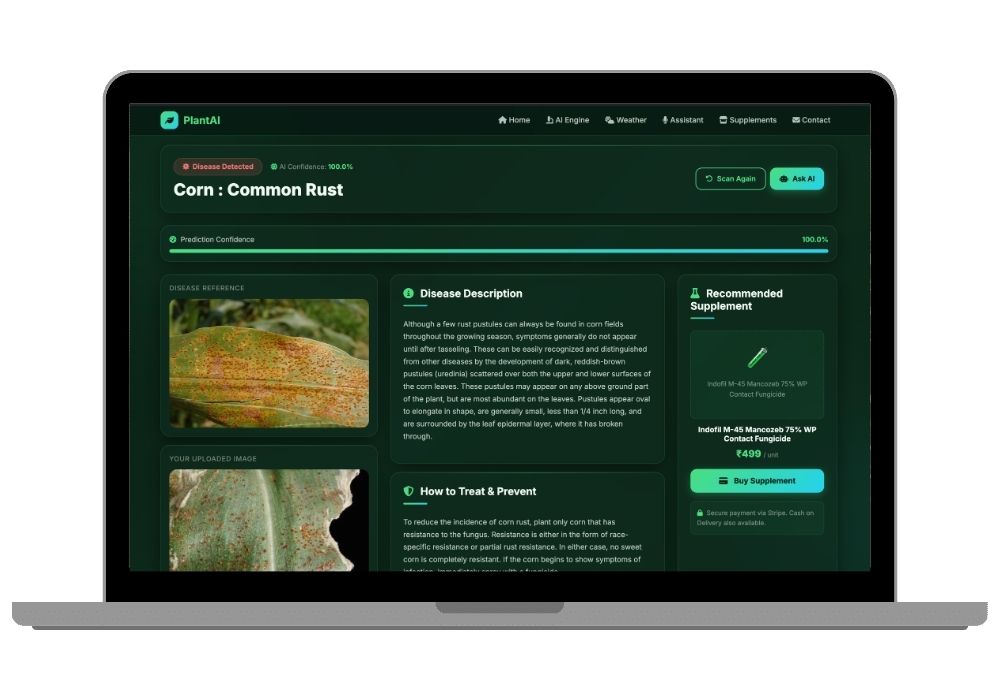
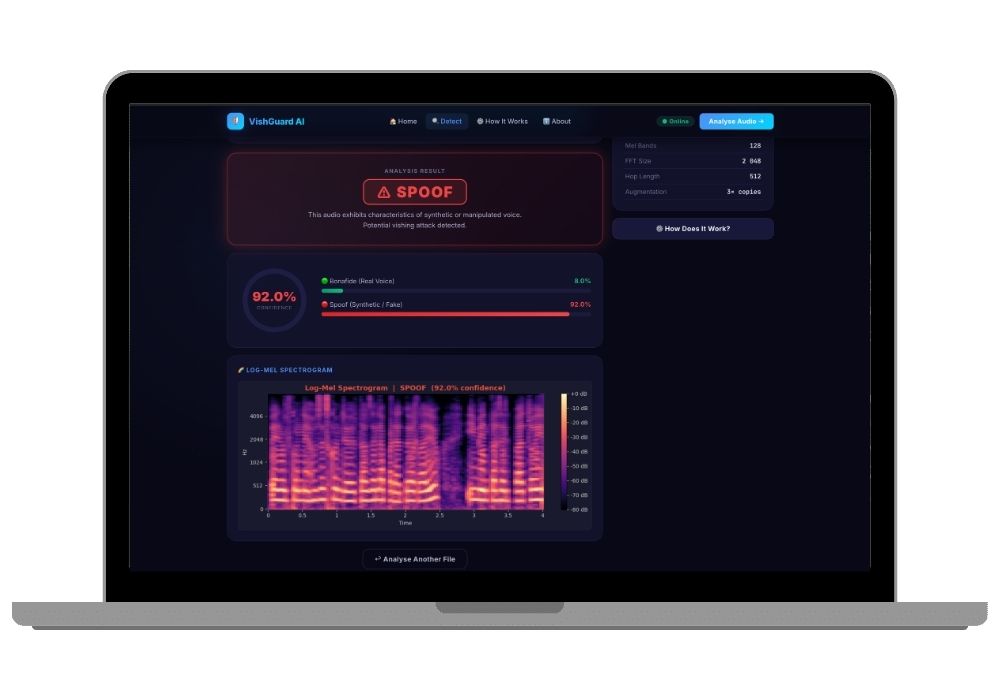
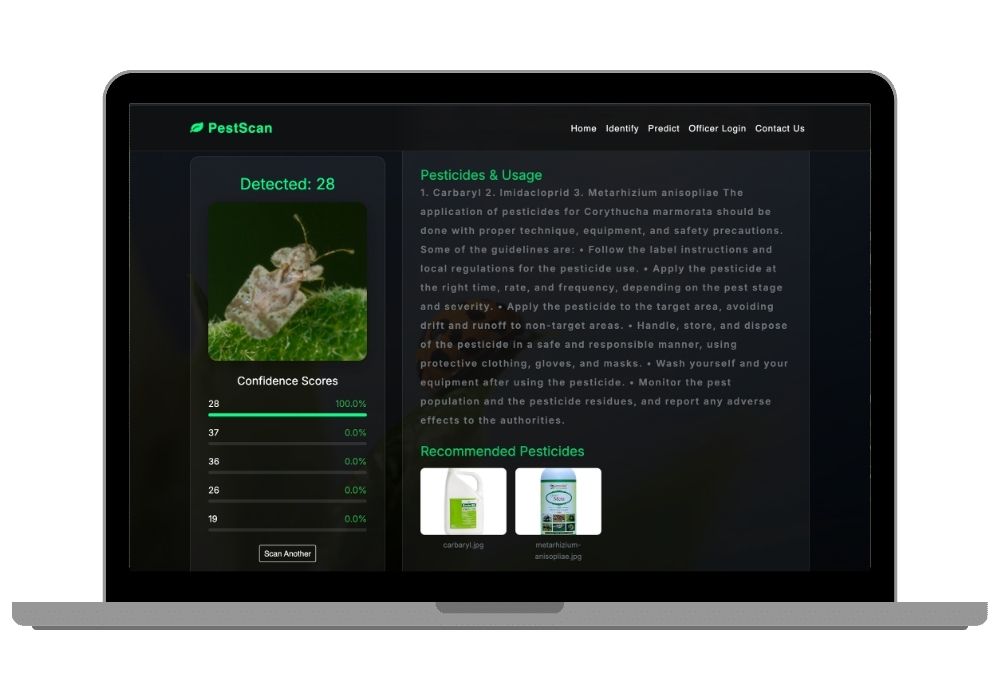
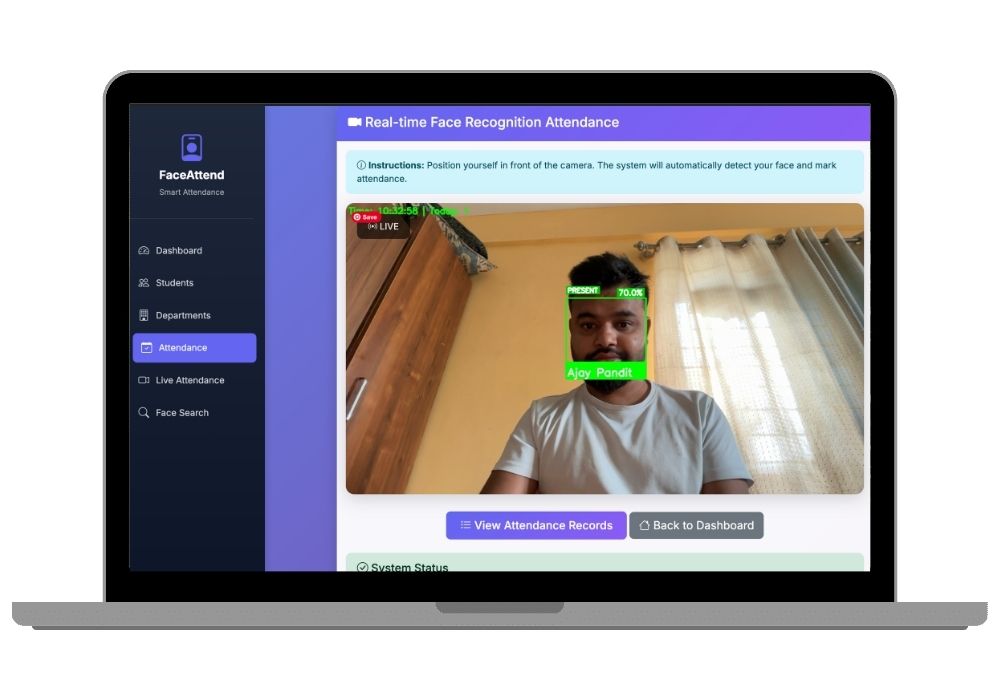
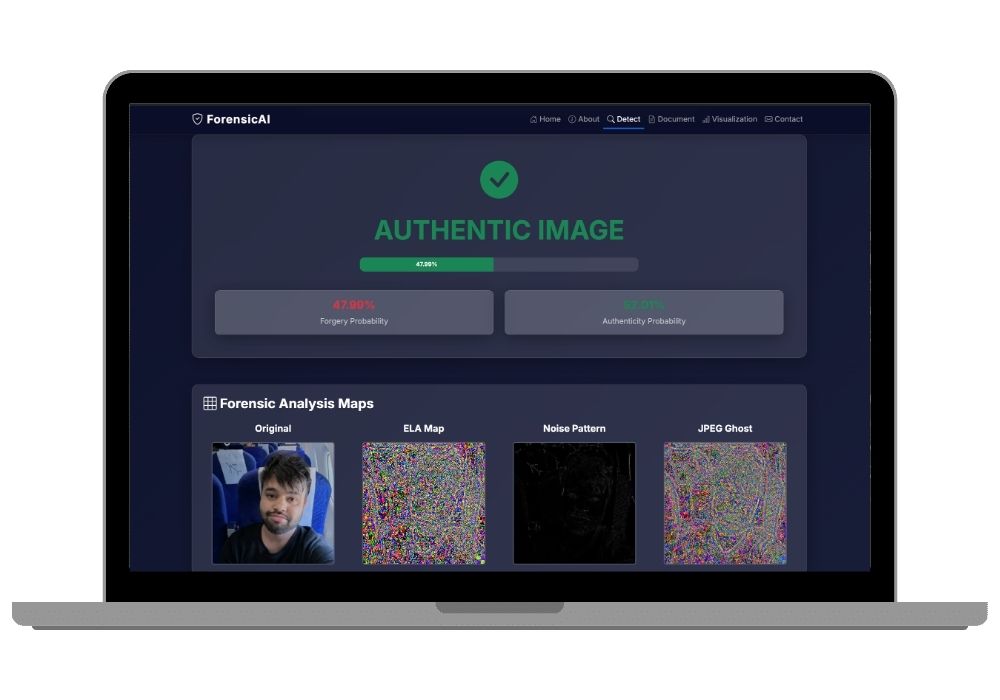
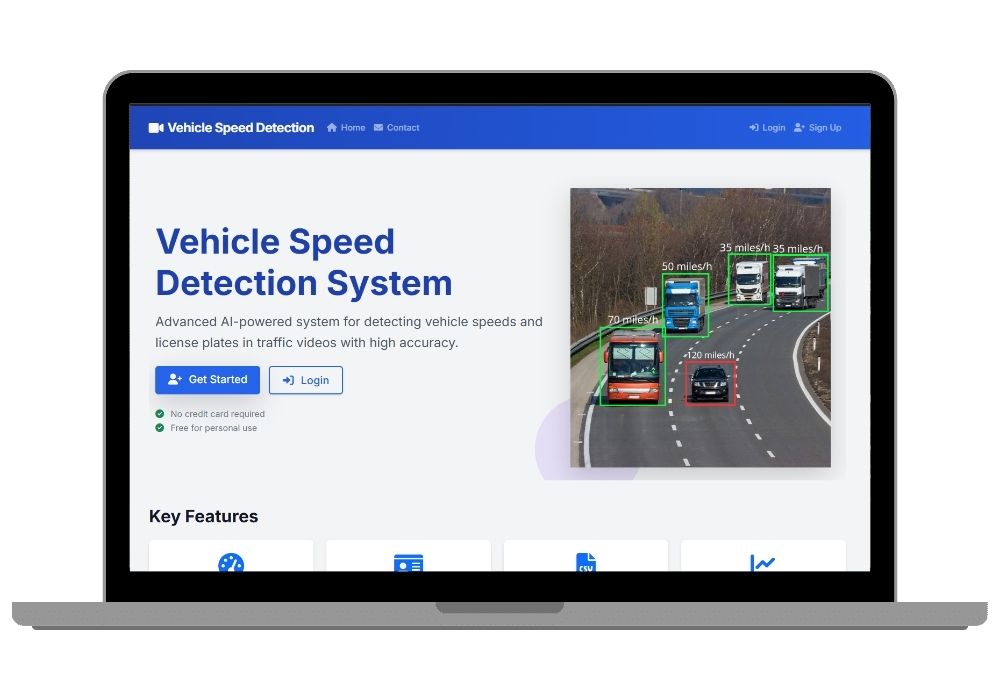
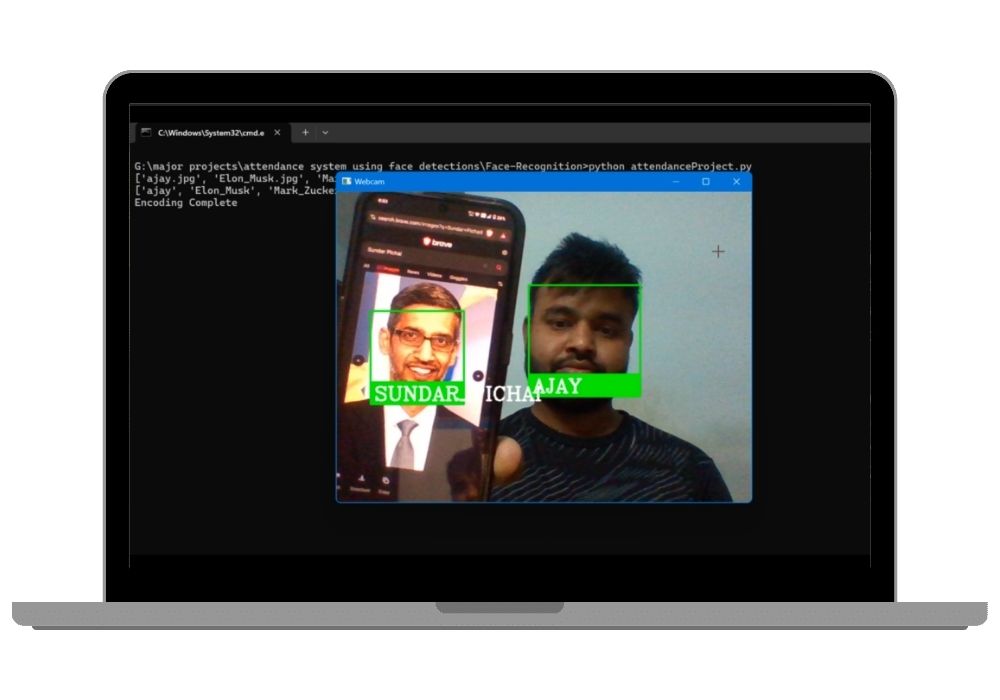
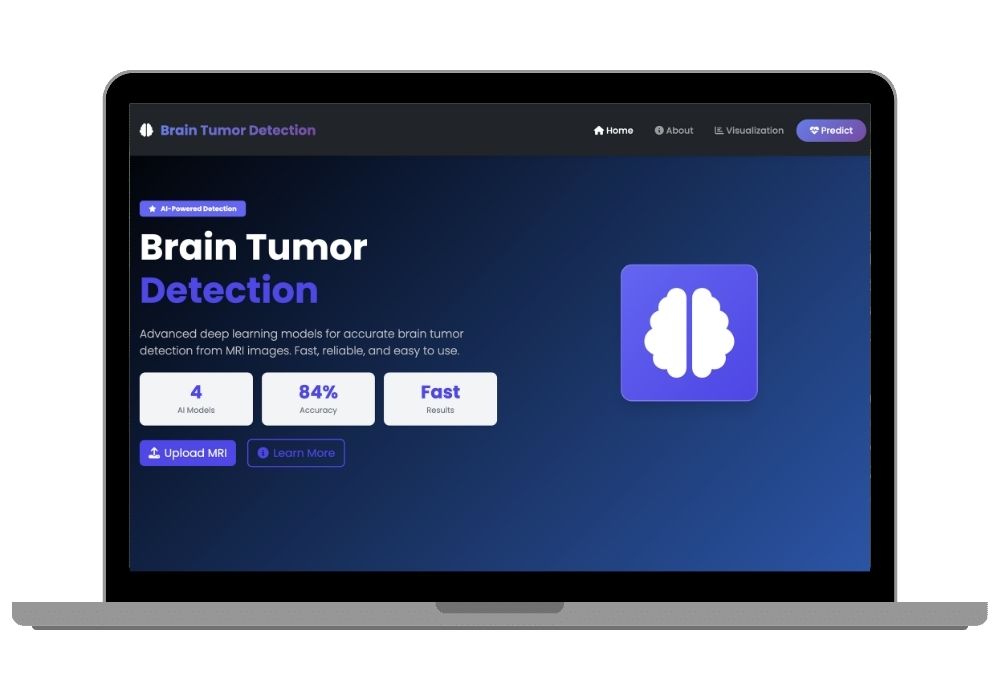
Machine learning projects are the most impressive thing you can put on a resume or submit as a final year project. But training models from scratch takes weeks of experimentation. Our ML projects come with trained models, cleaned datasets, training notebooks, and a web interface for running predictions. You don't need a GPU to demo these — the pre-trained weights are included. We cover classification, regression, recommendation engines, anomaly detection, time series forecasting, and generative models. Every project uses Python with scikit-learn, TensorFlow, or PyTorch. The code is organized with separate modules for data preprocessing, model training, evaluation, and serving.

Browse All Projects

CodeAj has 50+ machine learning projects with complete source code, trained models, and datasets. Covers classification, NLP, recommendation systems, and computer vision using scikit-learn, TensorFlow, and PyTorch. Includes web demos. From Rs.99.

  • 100% Source Code
  • Free Setup Support
  • 5000+ Students Served
  • Free Updates

ML Projects That Actually Work

The hardest part of ML isn't writing the model code — it's getting the data right, picking the right architecture, and tuning hyperparameters. Our projects skip that grind by including everything pre-configured and trained.

Classification and Regression

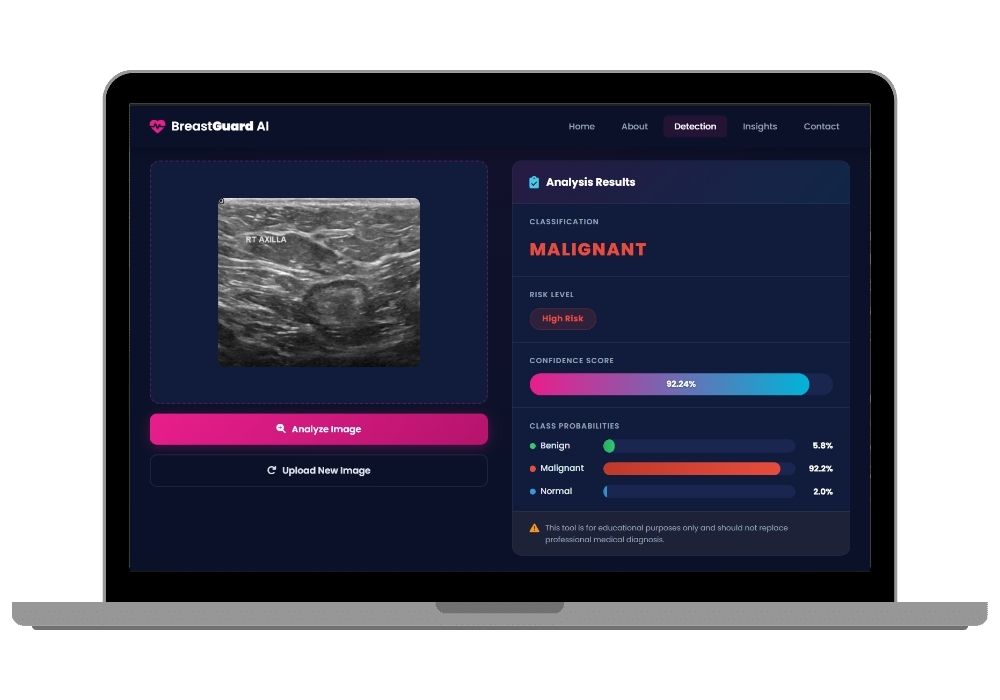
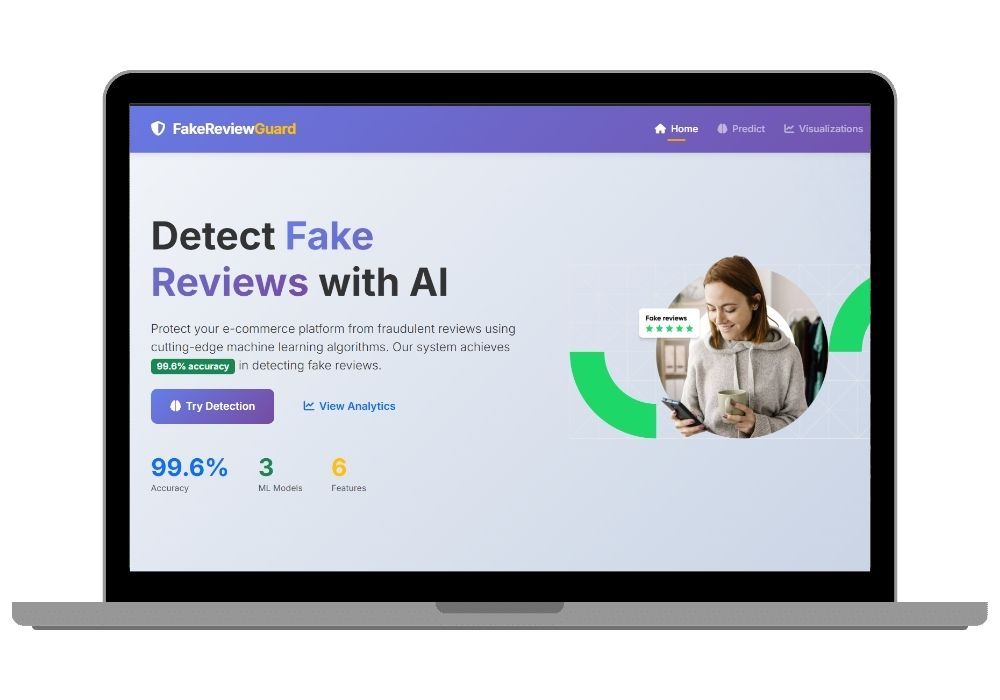
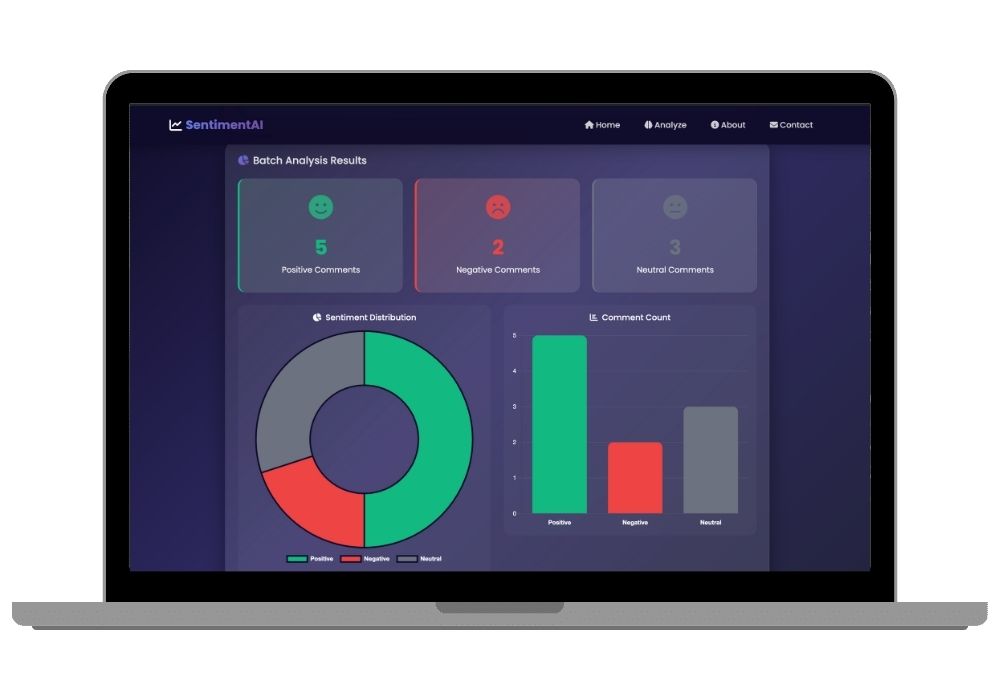
Our classification projects cover spam detection, sentiment analysis, disease prediction, credit scoring, customer churn prediction, and image classification. Regression projects handle price prediction, demand forecasting, and quality estimation. Each project includes the training pipeline, feature engineering code, model selection with cross-validation, and a web interface for predictions.

Recommendation Systems

Recommendation engine projects implement collaborative filtering, content-based filtering, and hybrid approaches. You'll find movie recommenders, product recommendation systems, and music playlist generators. These use matrix factorization, cosine similarity, and neural collaborative filtering depending on the approach.

Time Series and Forecasting

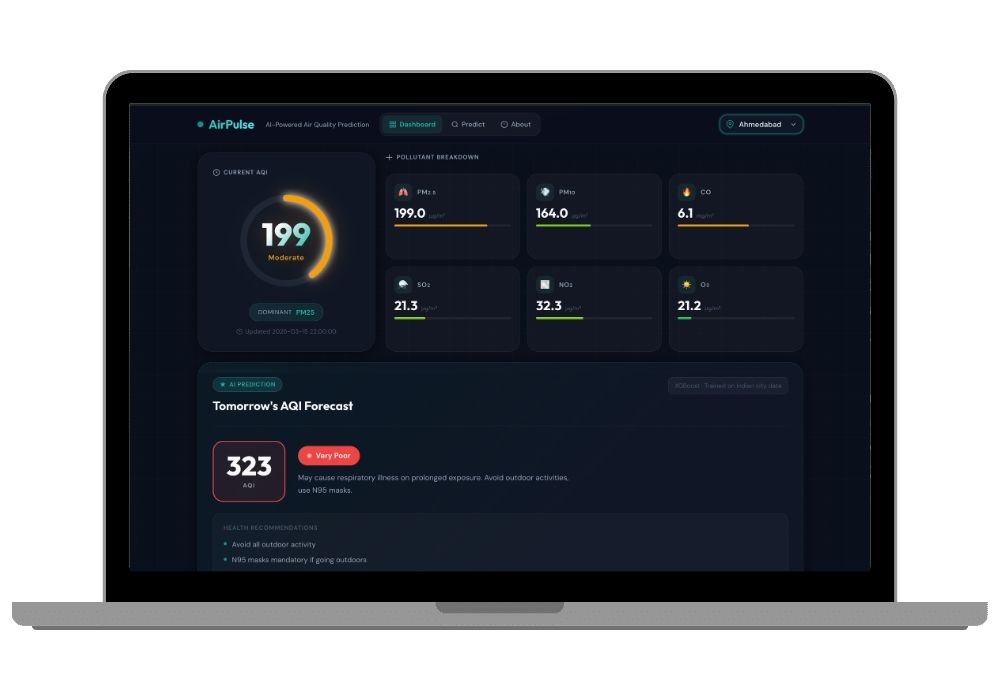
Time series projects predict stock prices, weather patterns, energy consumption, and sales volumes. They use ARIMA, LSTM networks, Prophet, and gradient boosting methods. Each project includes data visualization, stationarity testing, and forecast evaluation metrics.

Model Deployment

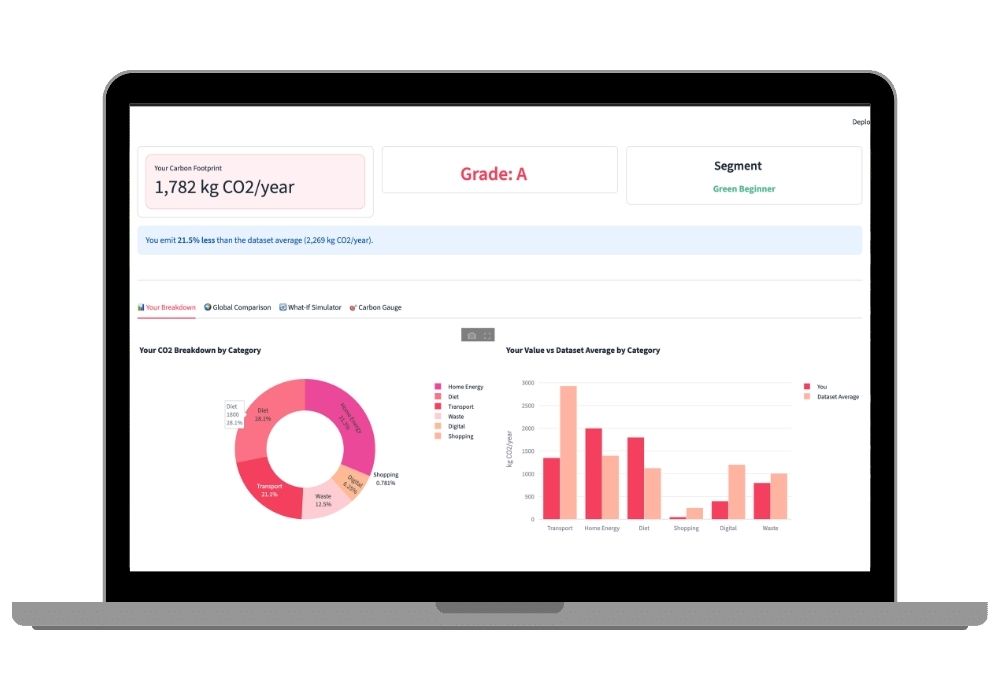
Every ML project includes a deployment-ready web interface. Most use Streamlit for quick dashboards, Flask for REST API endpoints, or Gradio for interactive demos. You can show your model working in a browser — which is far more impressive during a presentation than running code in a notebook.
Why Choose CodeAj

Complete Source Code

Get 100% working source code with clean architecture and documentation.

Free Setup Support

Our team helps you install and run the project on your machine at no extra cost.

Free Updates & Customization

Get free updates and affordable customization to match your requirements.

How Our ML Projects Are Structured

Each project follows a consistent structure: /data for datasets, /notebooks for Jupyter training notebooks, /models for saved model files, /src for source code, and /app for the web interface. This organization makes it easy to understand what each file does.

Datasets and Data Preprocessing

Datasets are included in the project or automatically downloaded from public sources (Kaggle, UCI ML Repository). Preprocessing scripts handle missing values, encoding categorical variables, feature scaling, and train/test splitting. You can retrain on different data by swapping the dataset file.

Evaluation and Metrics

Training notebooks include proper evaluation — confusion matrices, ROC curves, precision-recall curves, feature importance plots, and comparison tables across multiple models. These visualizations are useful for your project report and presentation slides.

Machine Learning FAQ

No. All projects include pre-trained model files so you can run predictions on CPU. Training notebooks run on CPU for smaller datasets and include Google Colab links for GPU training on larger ones. You don't need expensive hardware.

Projects use scikit-learn for classical ML, TensorFlow/Keras for deep learning, and PyTorch for research-oriented models. Some projects also use XGBoost, LightGBM, and CatBoost for gradient boosting. The framework choice depends on the use case.

Yes. Every project includes the dataset used for training. For large datasets (over 100MB), we provide download scripts that pull from Kaggle or UCI. Preprocessing scripts clean and transform the data automatically so you can retrain with one command.

Absolutely. Training scripts are included with clear instructions for swapping the dataset. Just replace the data file, adjust the column names in the config, and run the training script. Hyperparameters are documented so you can tune them.

Every ML project includes a web interface — Streamlit, Flask, or Gradio. You can upload data, run predictions, and see results in a browser. This makes demos and presentations much easier than showing code in a notebook.

Need a Specific ML Model?

Describe the problem you want to solve and we will recommend an ML project with the right algorithm and dataset.

Chat on WhatsApp
Chat with us