Flask Projects Built the Right Way
The typical Flask tutorial creates an app in one file and calls it done. That approach breaks down the moment you need to add a second feature. Our Flask projects are structured for real use — they use the application factory pattern so you can create different app instances for testing, development, and production.
REST API Projects
Our Flask API projects use Flask-RESTful or Flask-Smorest for endpoint definitions, Marshmallow for serialization and validation, and Flask-JWT-Extended for authentication. Each API project includes Swagger/OpenAPI documentation generated automatically from your schemas. You'll see proper error handling with custom exception classes, request validation, and consistent JSON response formats.
Web Applications
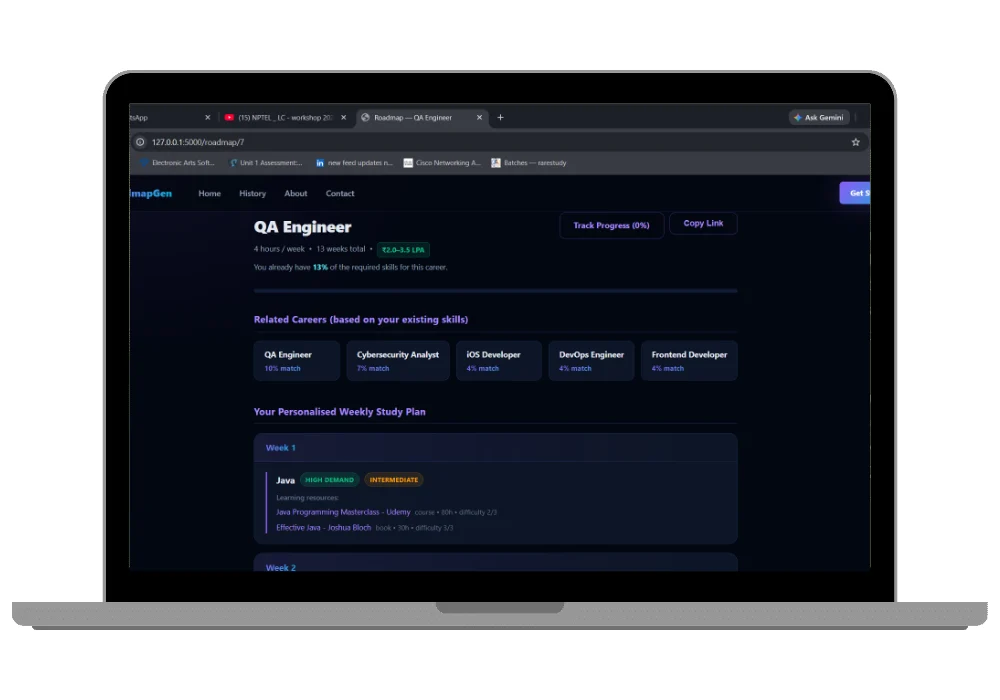
Flask web app projects use Jinja2 templating with inheritance, Flask-WTF for form handling and CSRF protection, Flask-Login for session management, and Bootstrap or Tailwind for the frontend. These projects show you how to handle file uploads, send emails with Flask-Mail, and manage user roles with custom decorators.
ML Model Serving
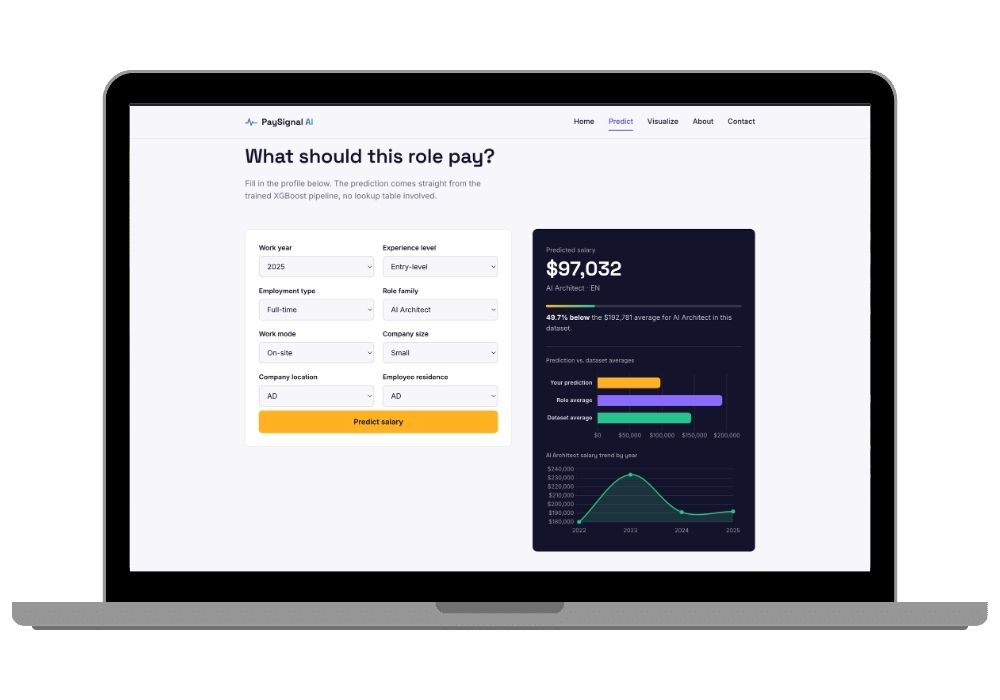
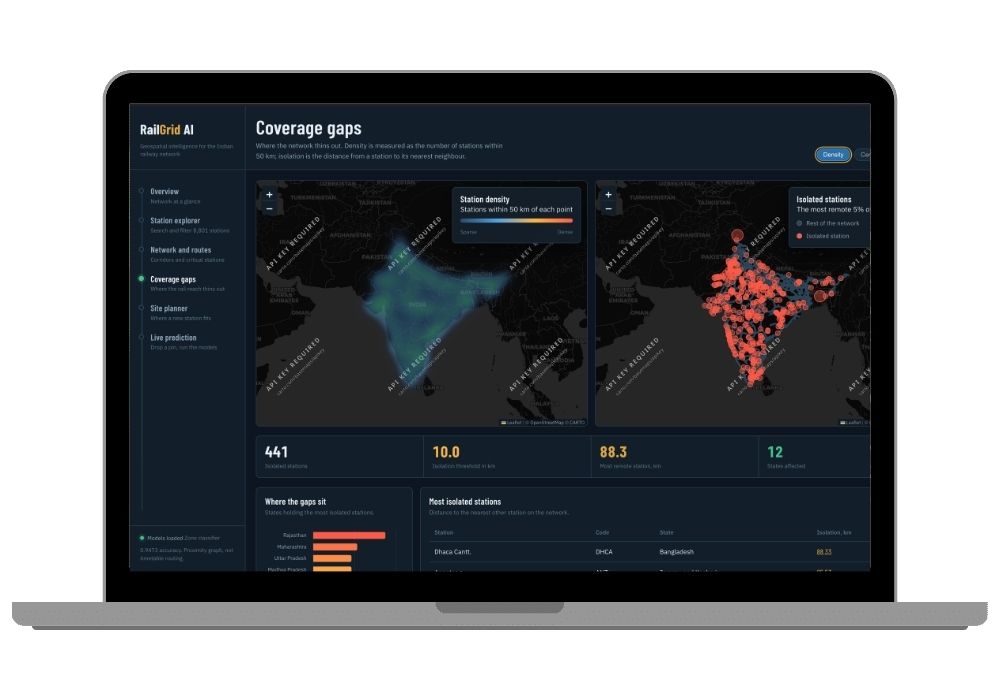
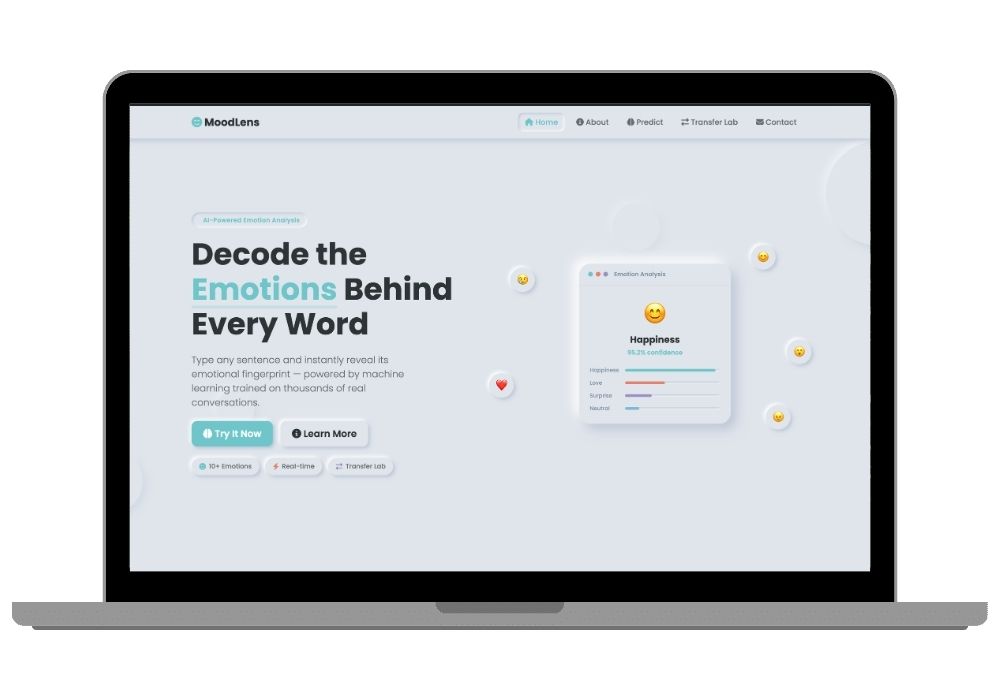
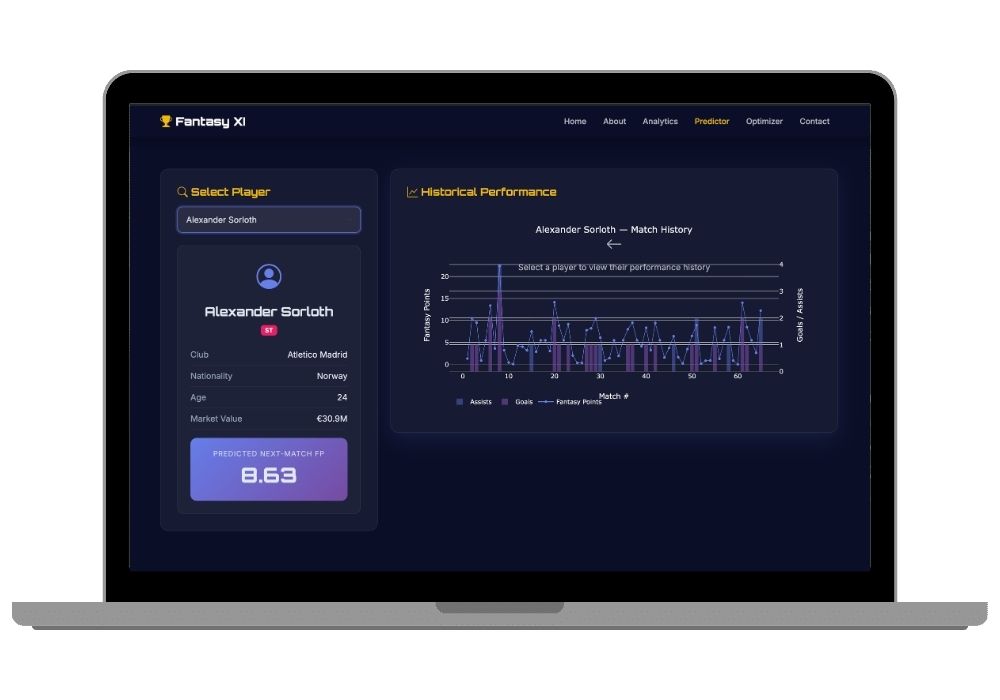
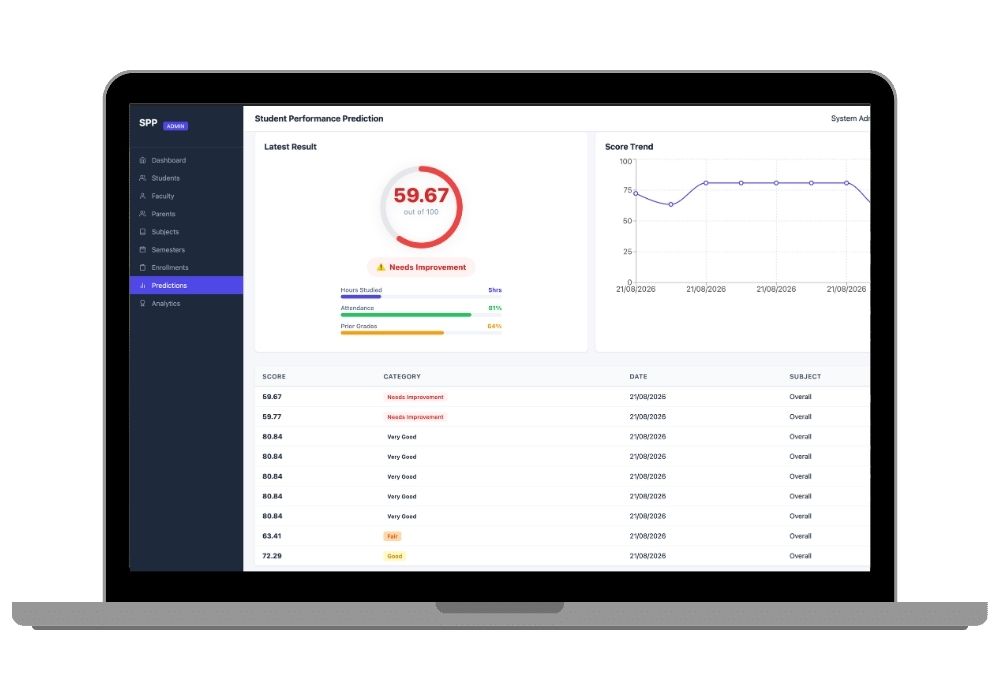
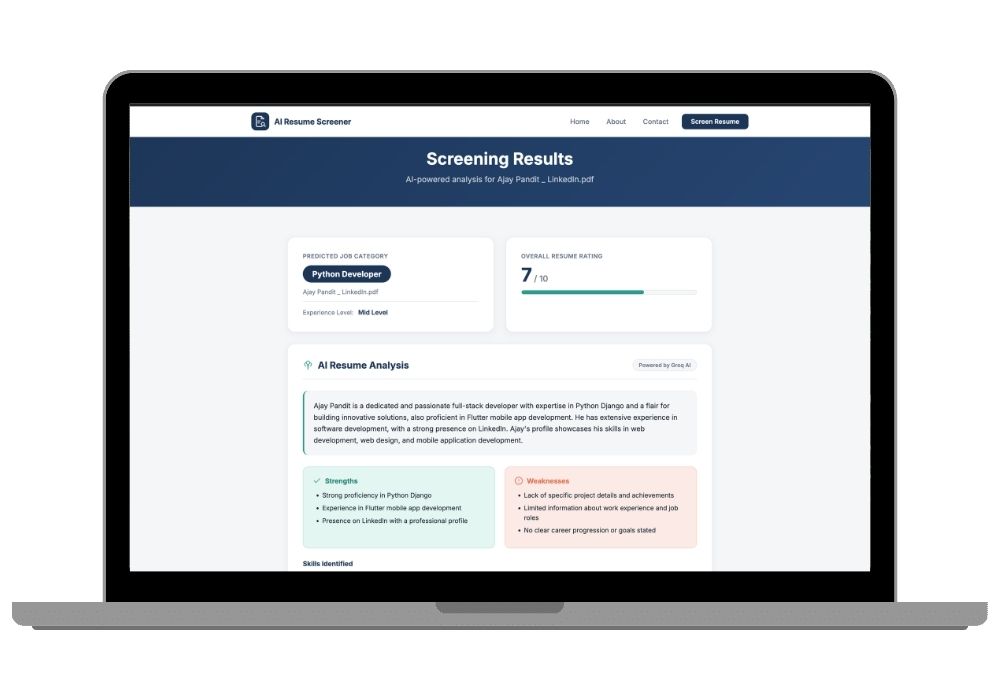
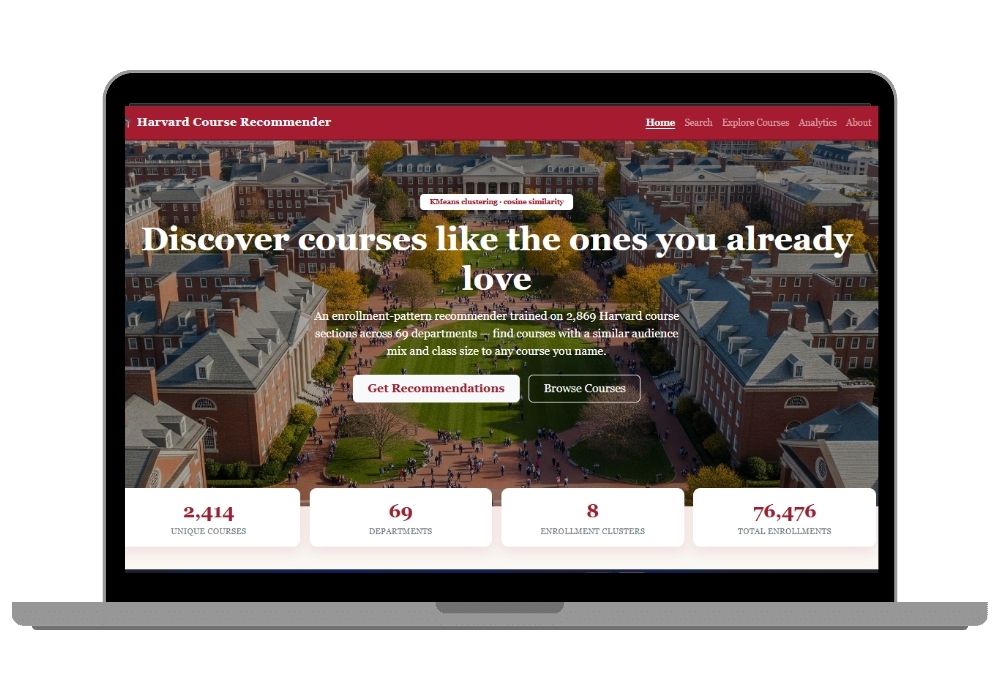
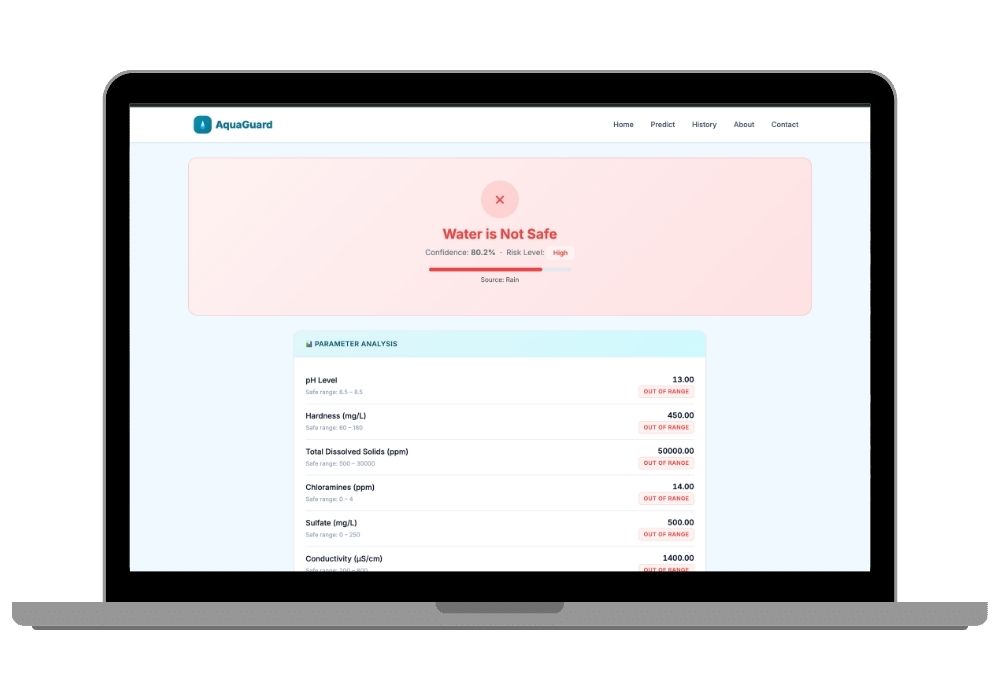
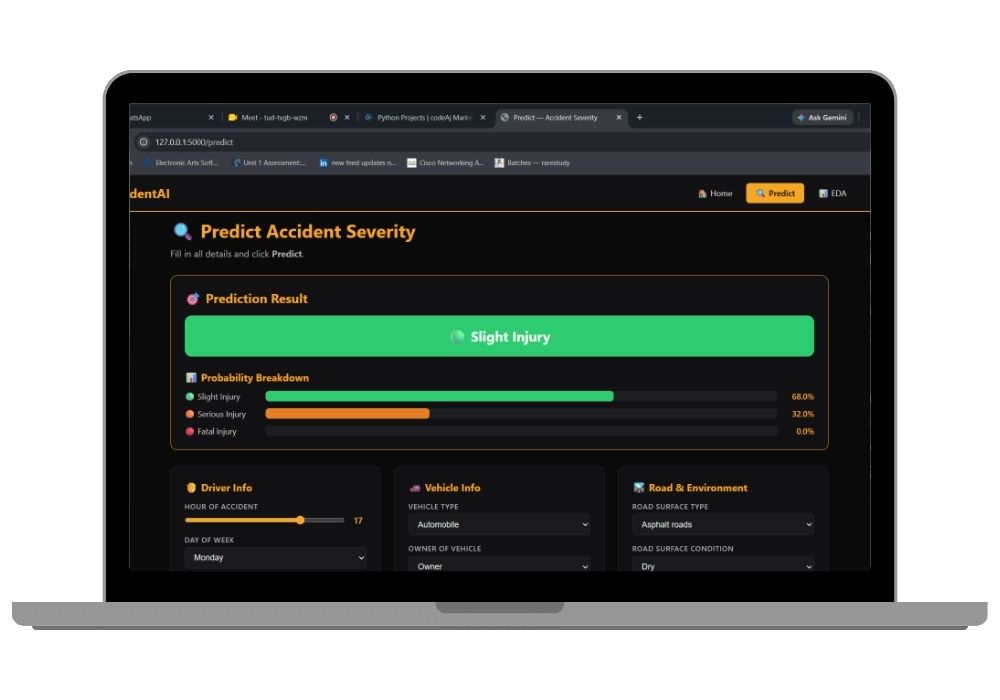
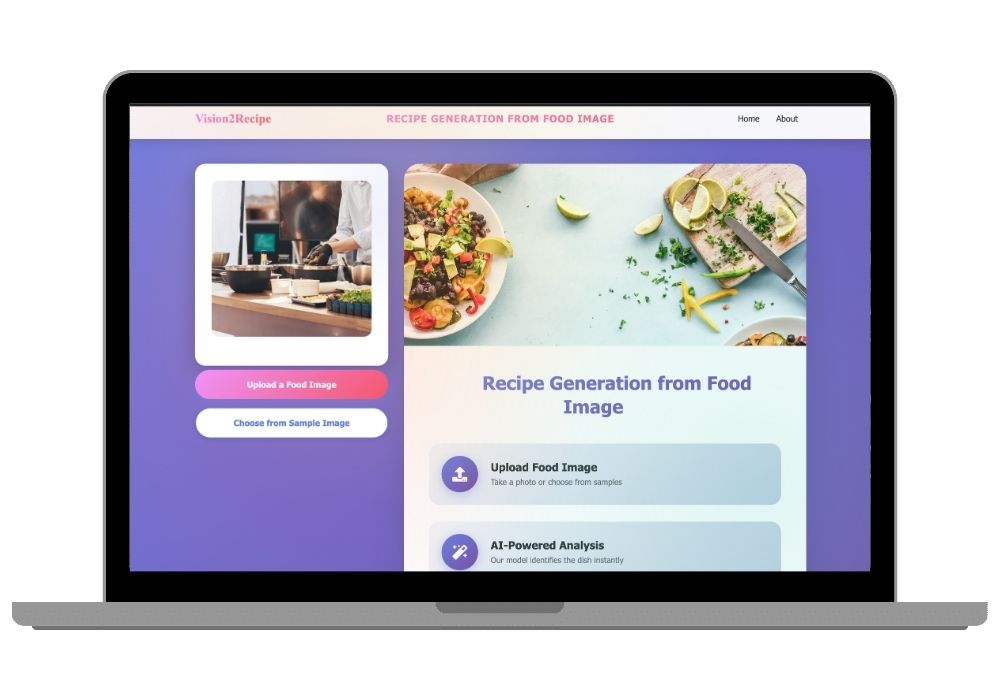
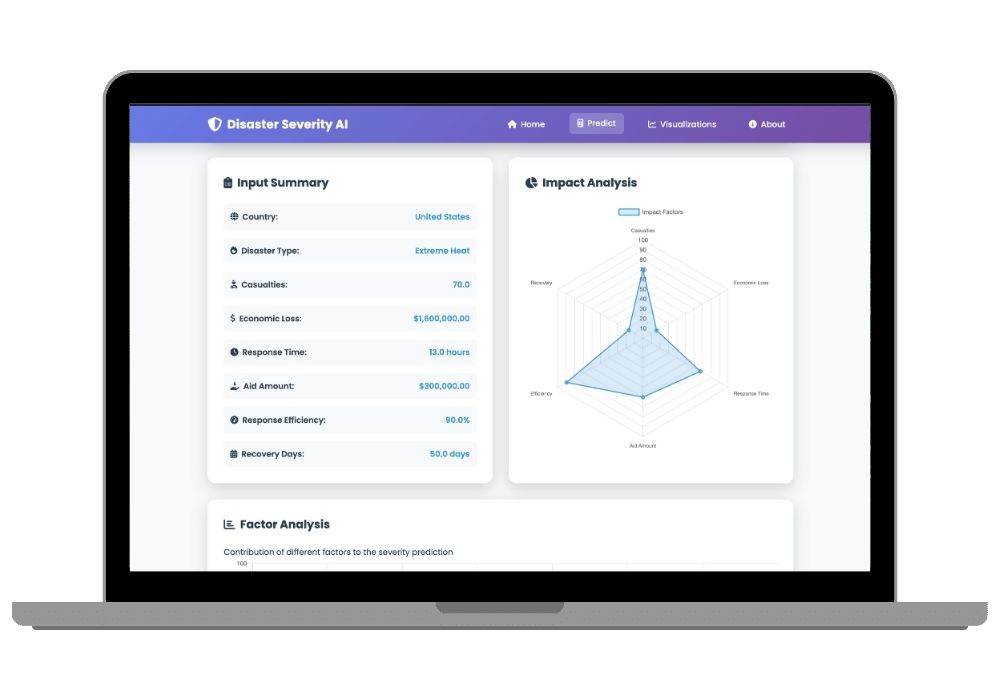
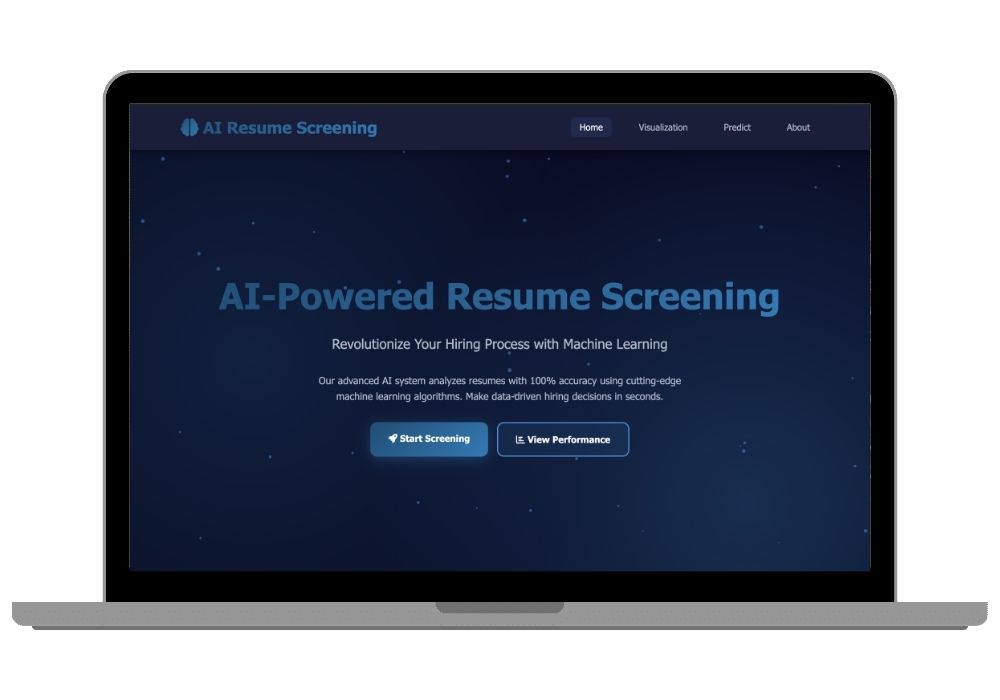
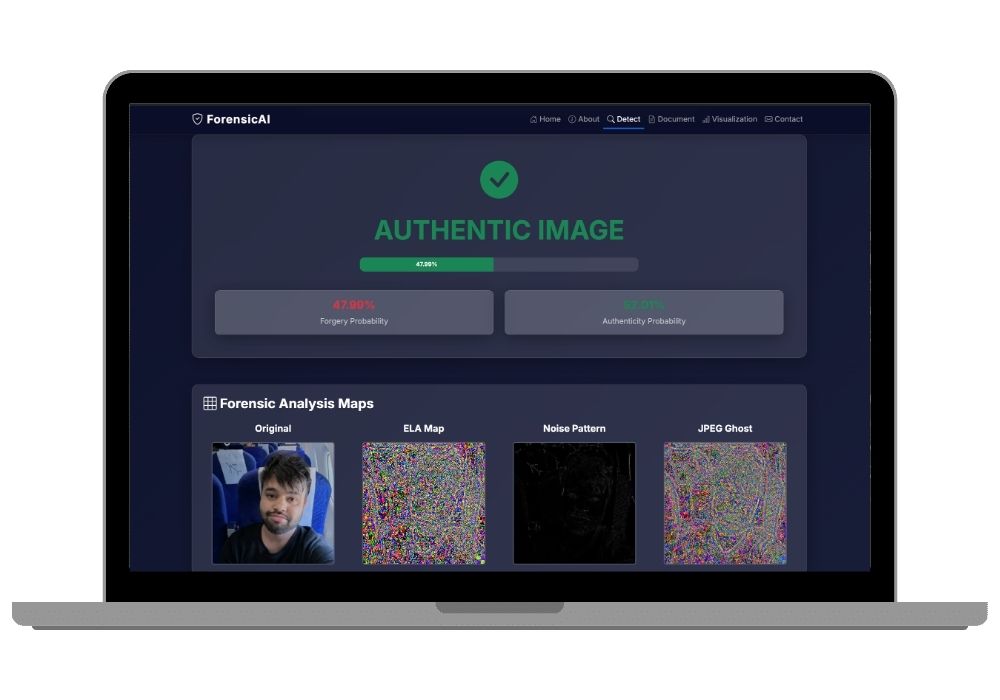
Several Flask projects serve as web interfaces for machine learning models. They load a trained model (scikit-learn, TensorFlow, or PyTorch), accept input through a web form or API endpoint, run prediction, and return results. These are great for demo-ing your ML work during presentations — much more impressive than running predictions in a Jupyter notebook.
Microservice Architecture
A few projects demonstrate microservice patterns with Flask — separate services communicating over HTTP, shared database access patterns, and Docker Compose configurations for running multiple services together. These are ideal for understanding how modern backends work.